Marking Time: Sunburn with Chris McCaw
Marking Time: Sunburn with Chris McCaw
Join us via Zoom - Wednesday, September 23rd, at 7 pm EDT
What does it mean to share authorship with a force as vast and indifferent as the sun?
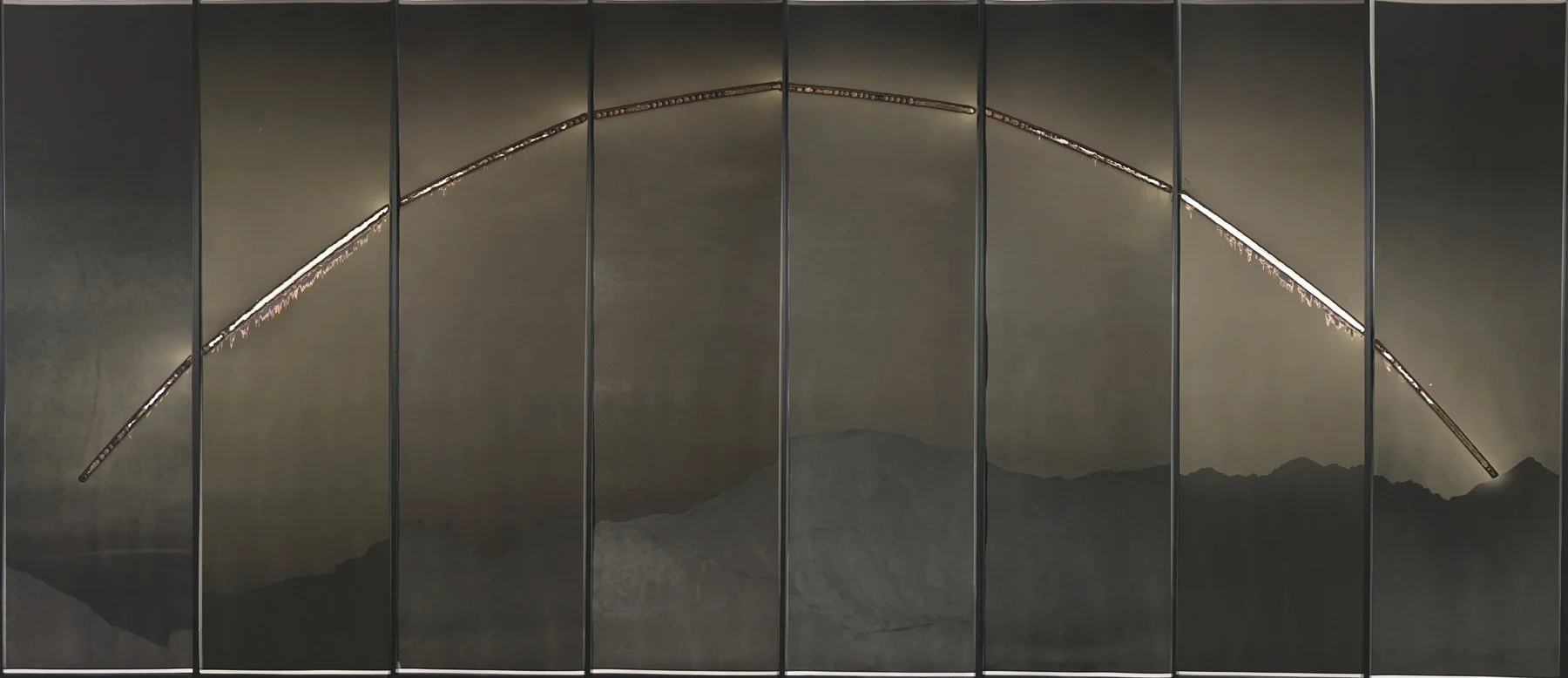
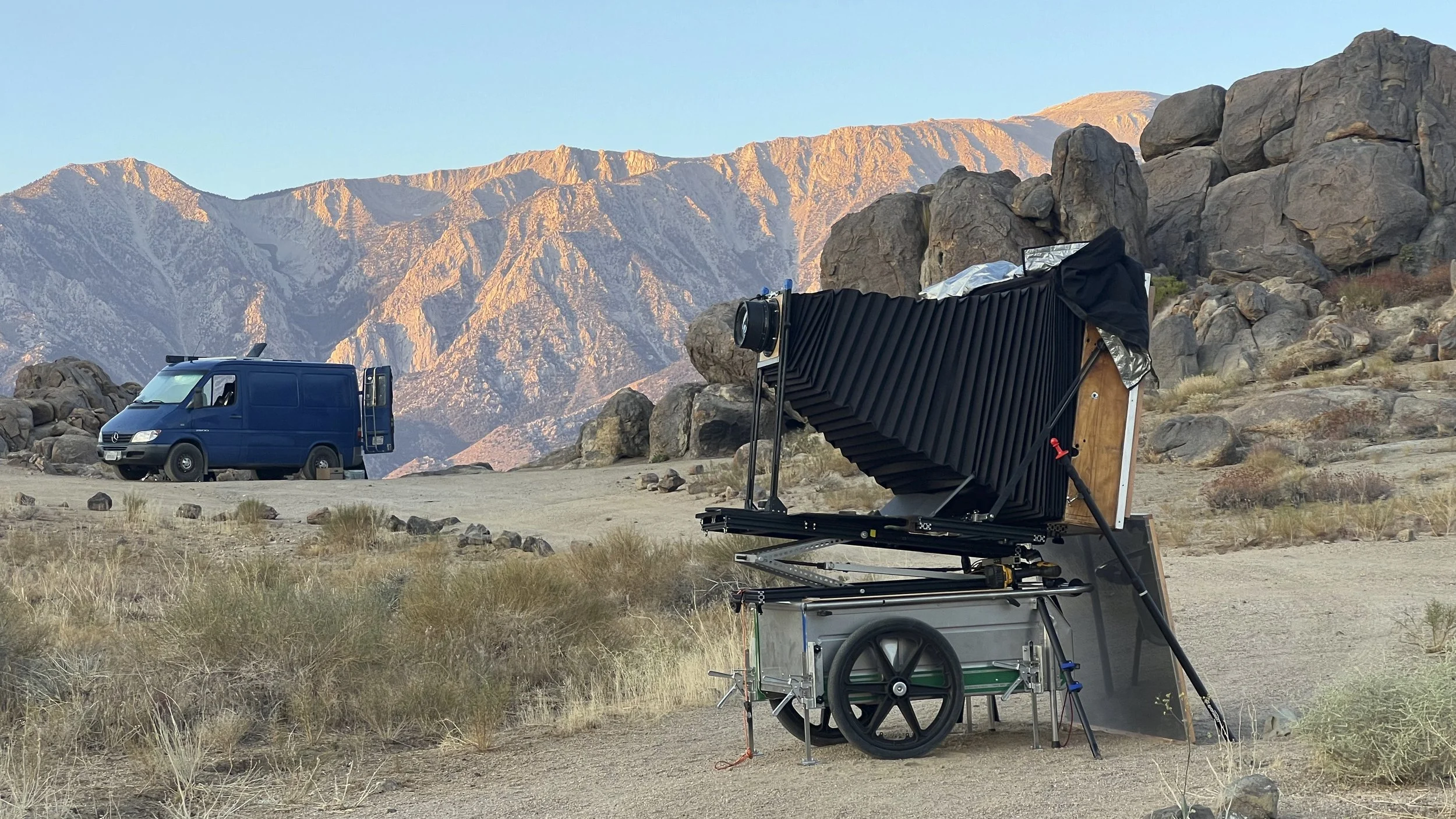
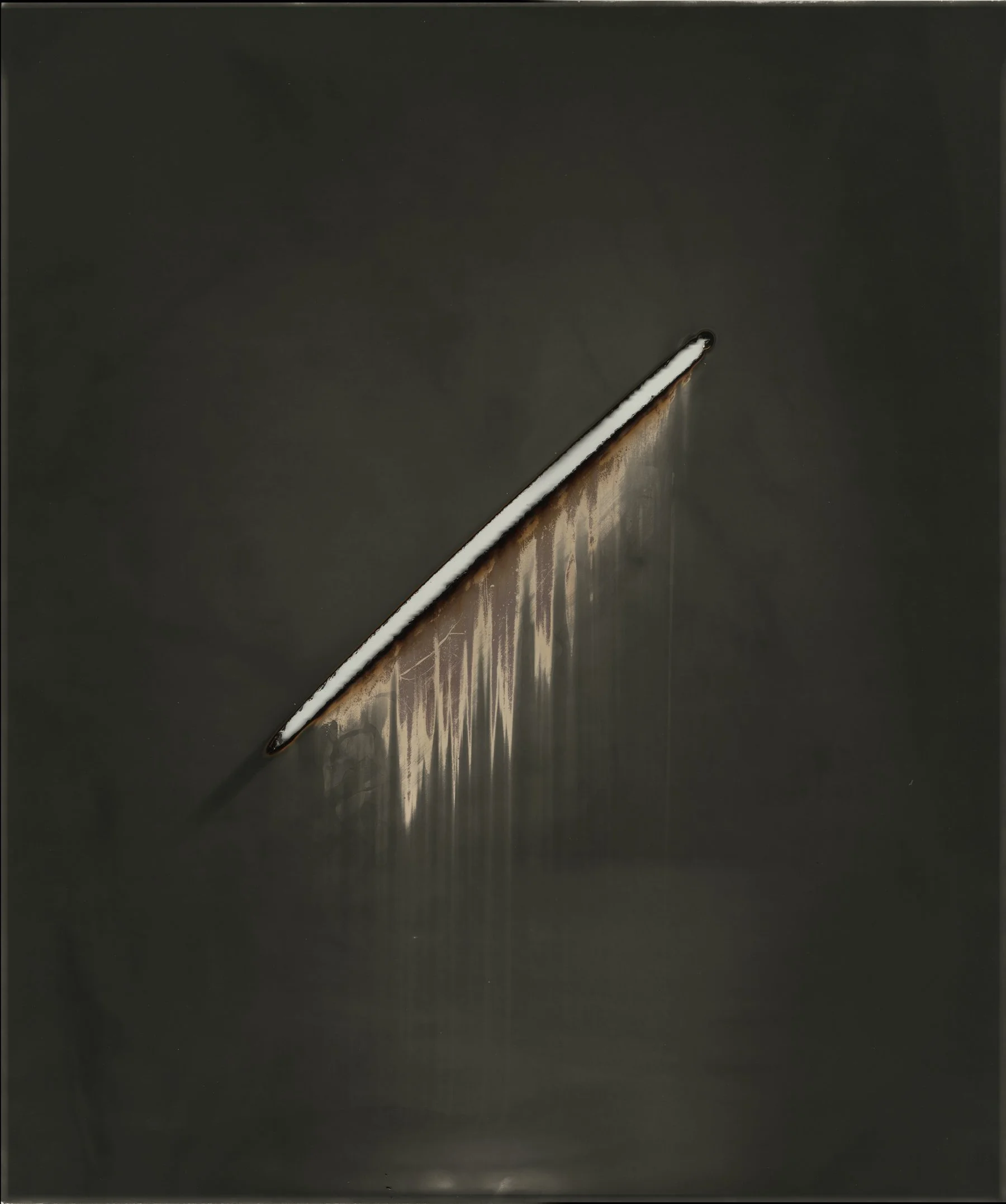
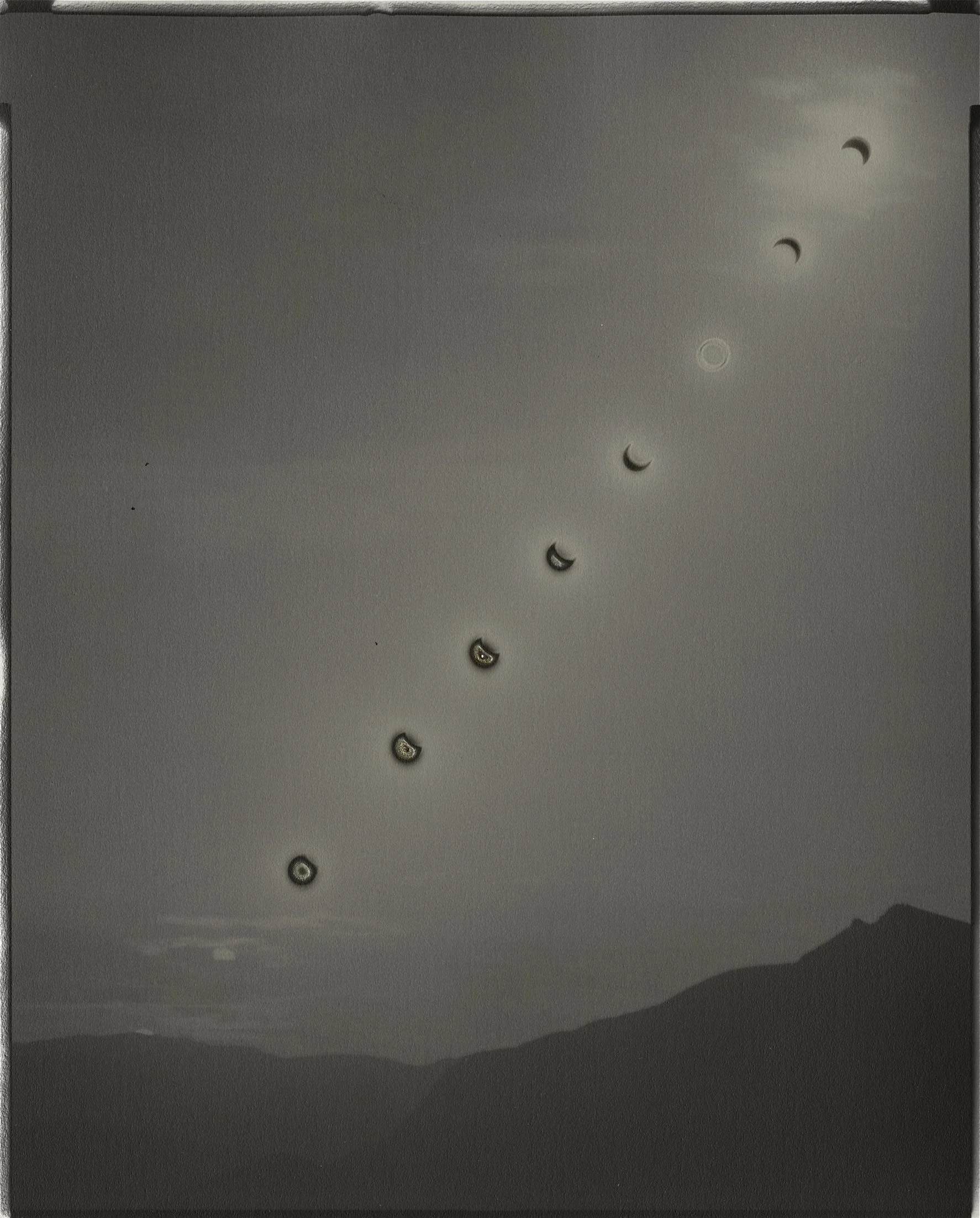
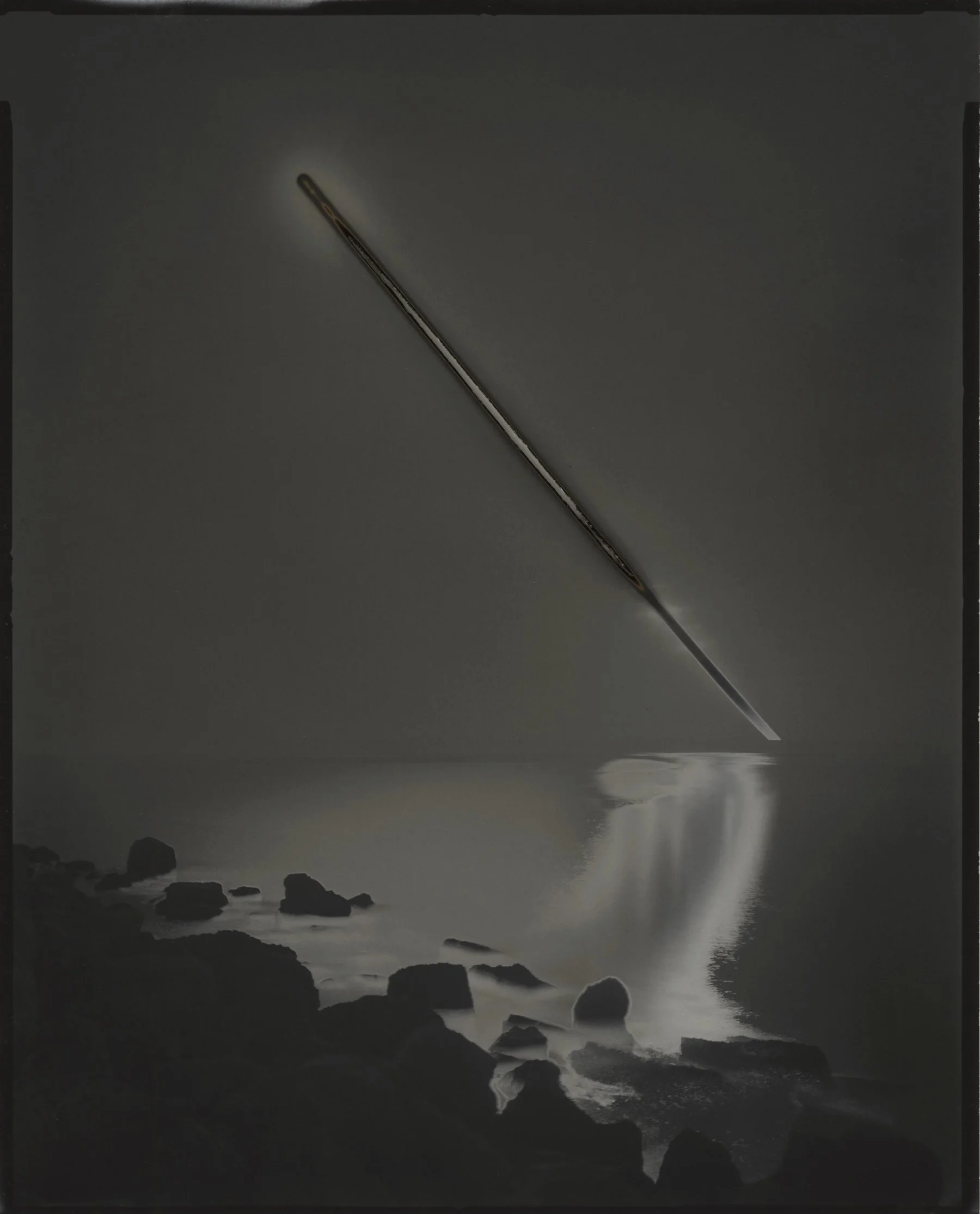
In 2003, an all-night exposure of the stars was lost when Chris McCaw failed to wake before sunrise. The rising sun, magnified through the lens, scorched a path directly into the film, and that ruined negative became the seed of Sunburn. McCaw builds large-format cameras by hand and loads them with expired gelatin silver paper instead of film, aiming the lens at the sun for exposures ranging from minutes to well over a day.
Join us as McCaw walks through this process step by step: the burning, the smoke, the smell of cooked gelatin, and the solarized image that emerges when the paper reverses from negative to positive. The sun does not simply illuminate these photographs; it physically alters them, scorching straight through the paper at times, so the final image carries the literal trace of its making rather than a representation of it.
Chris McCaw has been getting his hands wet in the darkroom from the age of 13, and since then he has been unable to separate his personal life from his photographic life. In a constant state of production of photographic work from that early age, he continues to be excited about the medium.
The early years involved self-taught explorations in skateboarding/ zine /punk scenes with a fisheye lens and Tri-X through the mid-to-late 80s. After high school, he learned everything he could about photography. Finally, he fell in love with the simplicity of large-format cameras and, in 1992, got his first 4”x5”. The following year he fell in love with the platinum/palladium printing process and even larger cameras. After working the boundaries of analogue photographic mediums with his Sunburn project, Chris continues to rethink the traditional use of photographic materials such as his work with instant pack films. Still building his own cameras, he is currently manipulating the mechanics of how cameras record time.
Chris McCaw
Chris McCaw
Chris McCaw