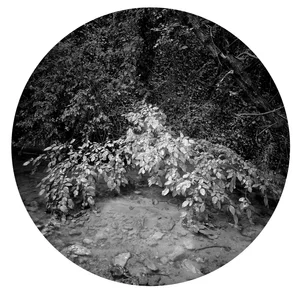
Not so still life: The way water flows through the natural, mystical, and man-made — Julia Nagai
Not so still life: The way water flows through the natural, mystical, and man-made
Julia Nagai
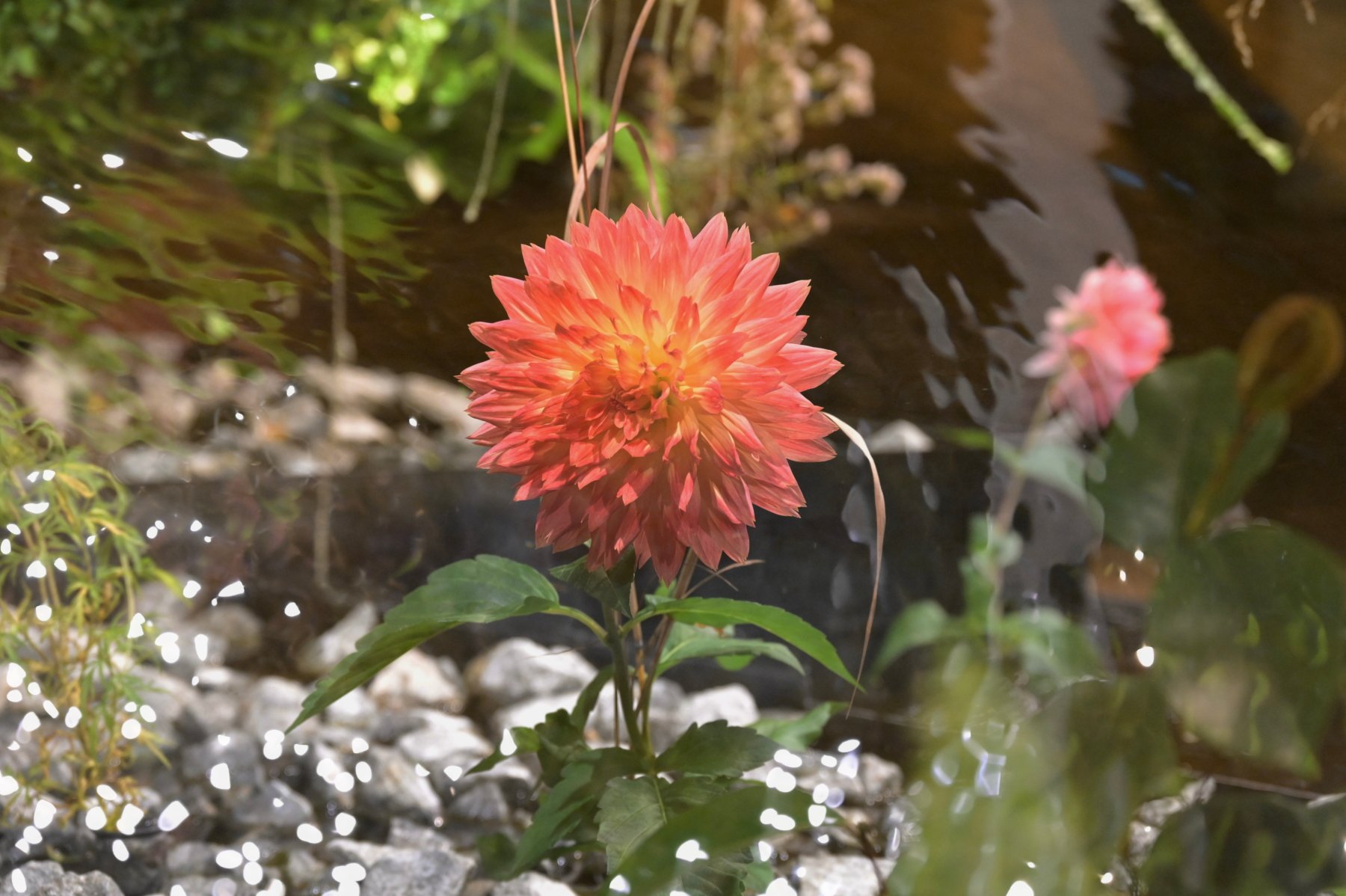
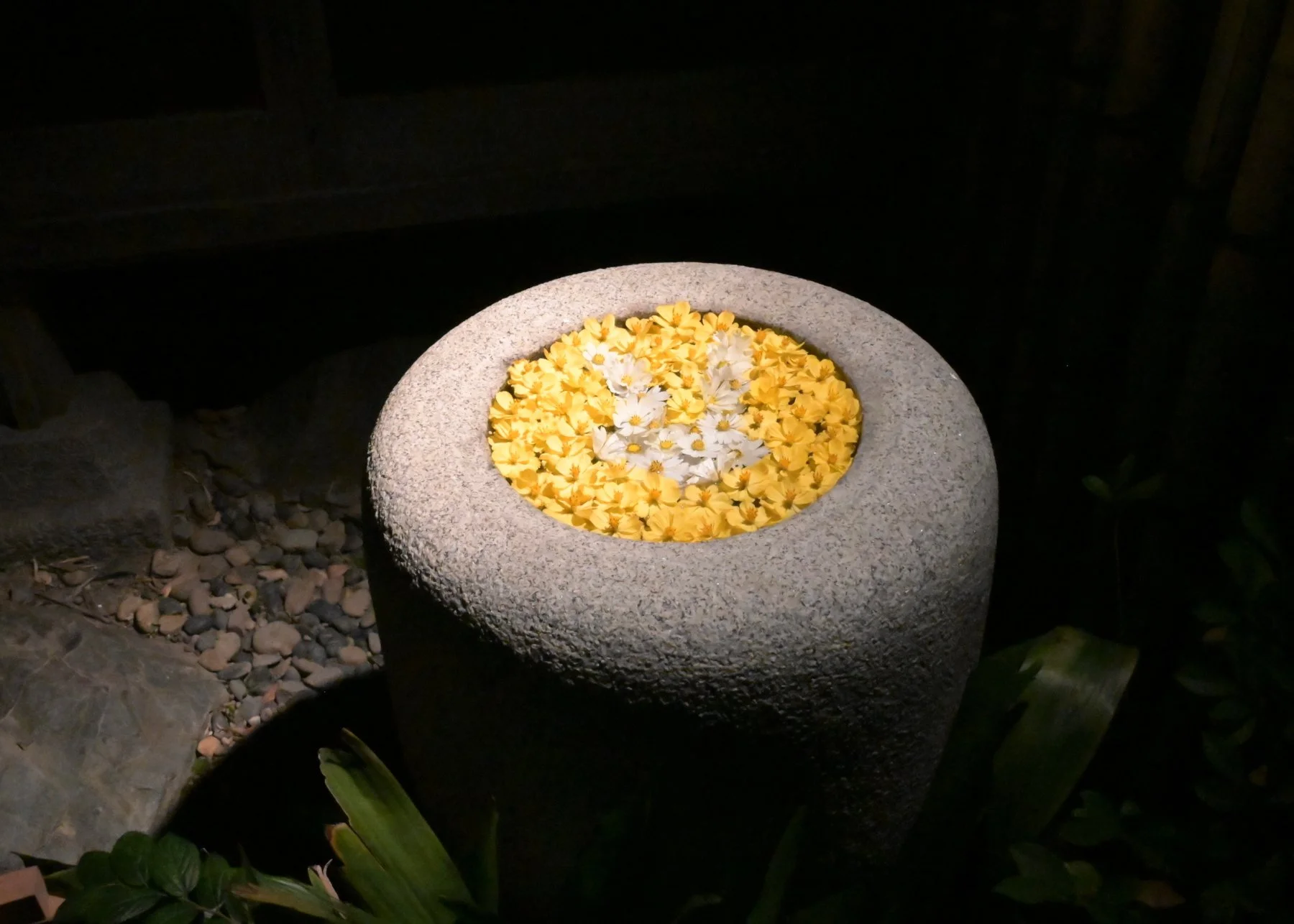
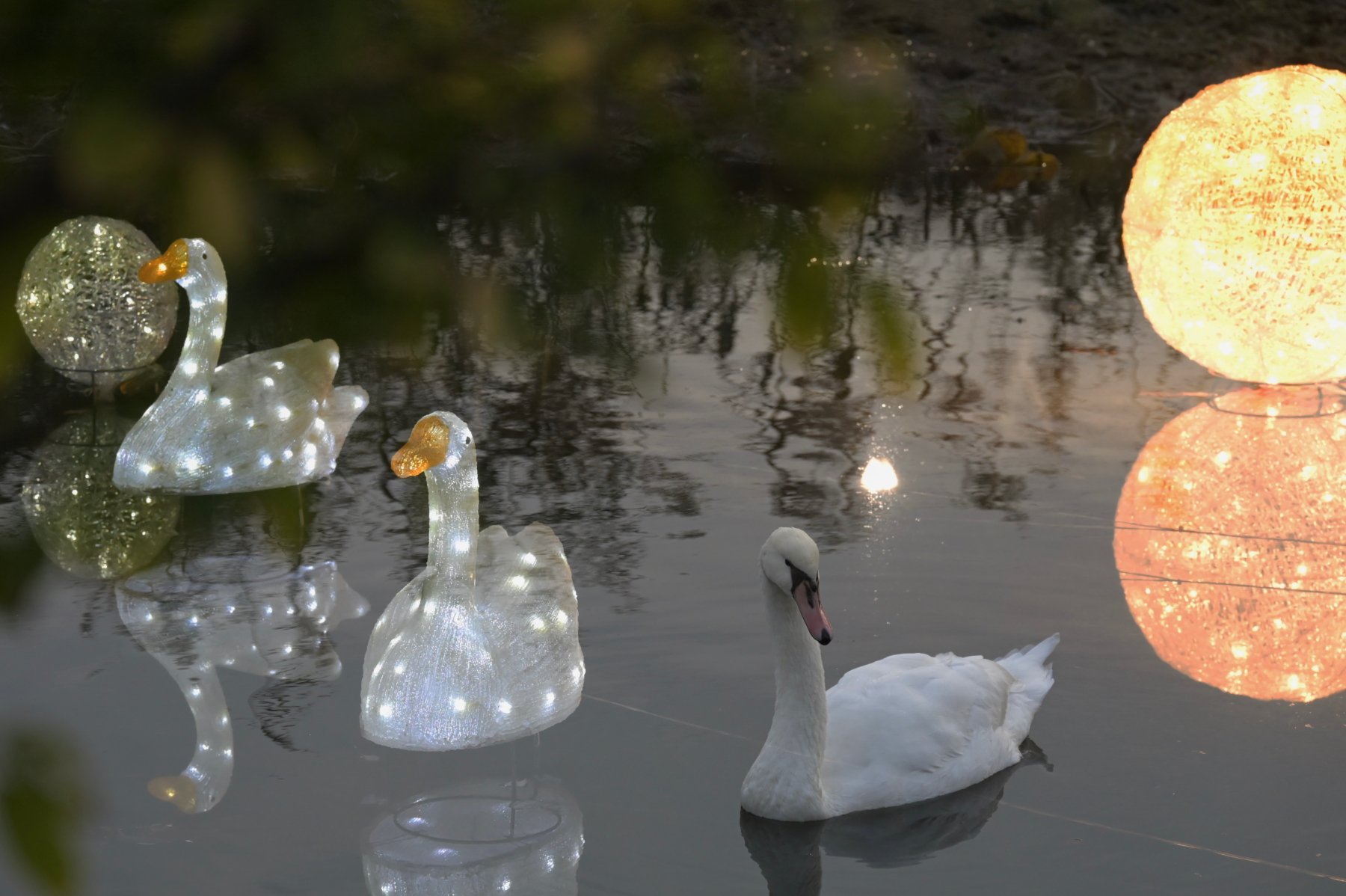
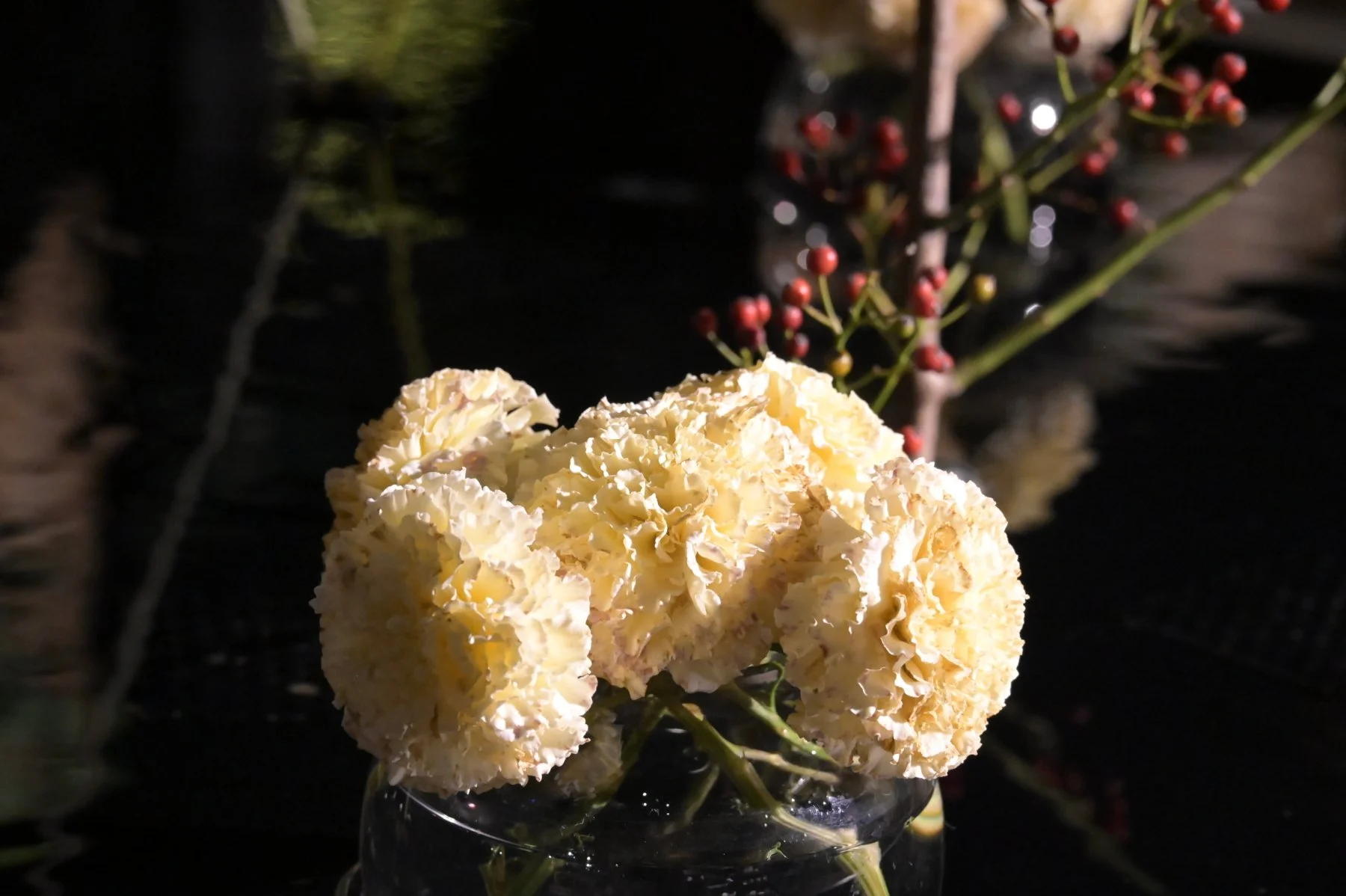
Though a scientific oversimplification, the claim that the human body is 70% water takes many of us back to our elementary school days and reminds us of being lectured to drink eight glasses a day. As we grow older and become more active, responsible architects of society, water flows from us to our creations. It flows through the movement of our bodies as we make a canvas of it to co-create with the natural world: cultivated botanicals, floating flower arrangements, and illuminations installed in a pond.
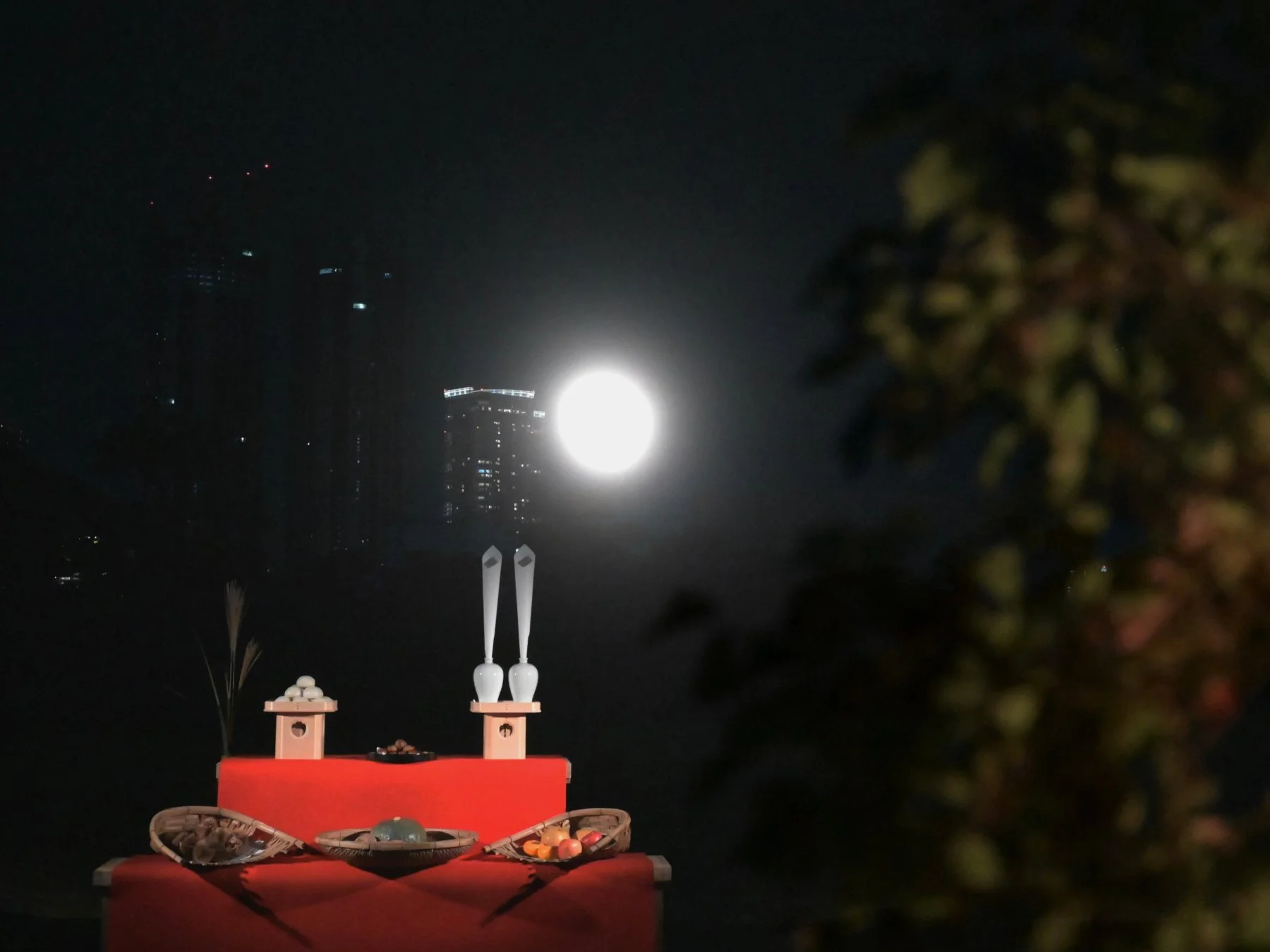
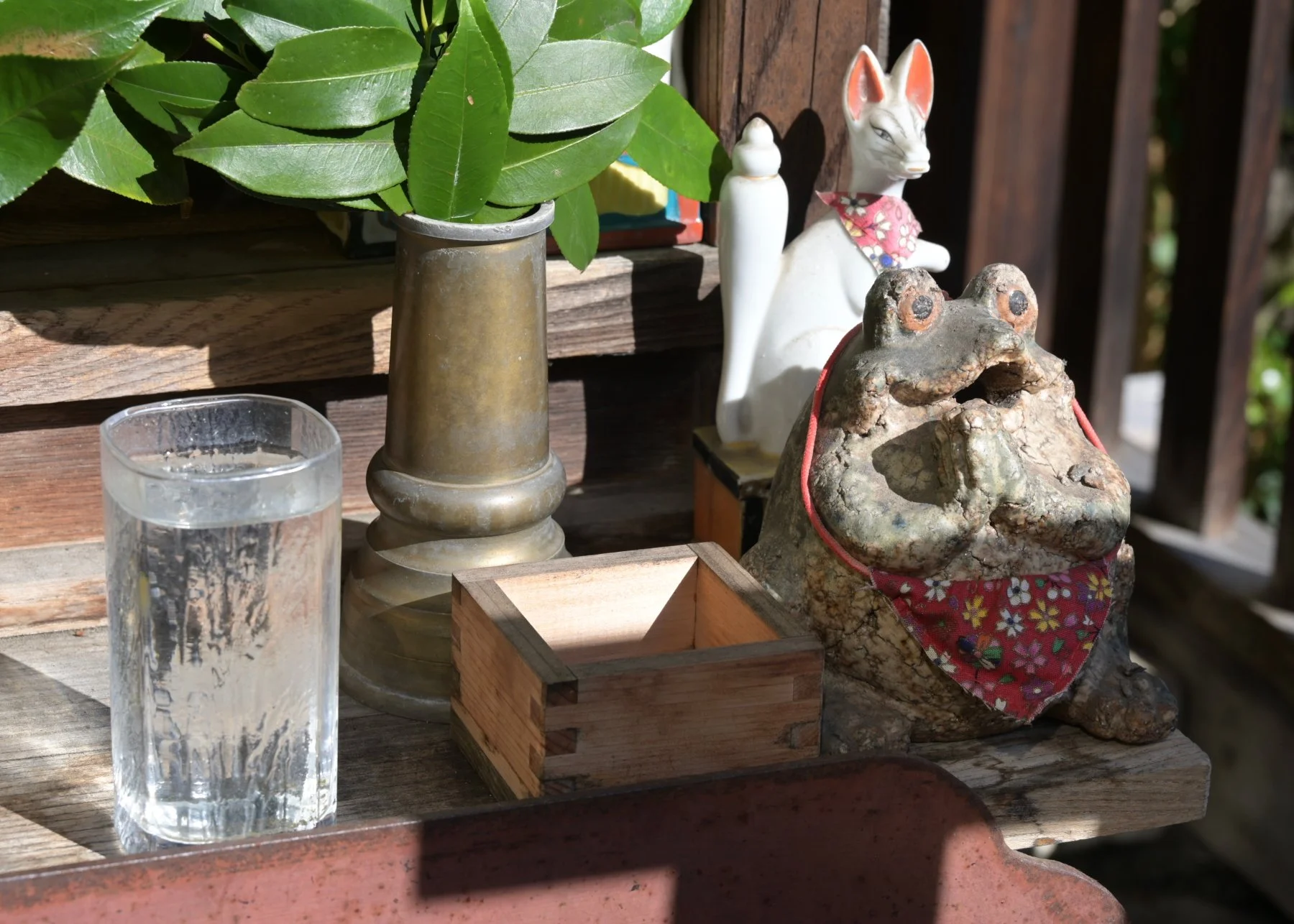
Through water, we attempt to reconcile with what may lie inside of us and ponder the universe beyond our Earth. Autumnal rituals performed under a cloudy moon in a Tokyo garden connect city dwellers with the changing seasons and bring a moment of stillness to their souls. A glass of water is left as an offering at a city shrine next to a statue of a frog, an amphibious creature that symbolizes going home in Japanese culture. Perhaps one of those eight daily glasses was actually meant to hydrate the community, at an altar where people take a moment out of their busy lives to say a few words in prayer, allowing both wishes and worries to flow outward.
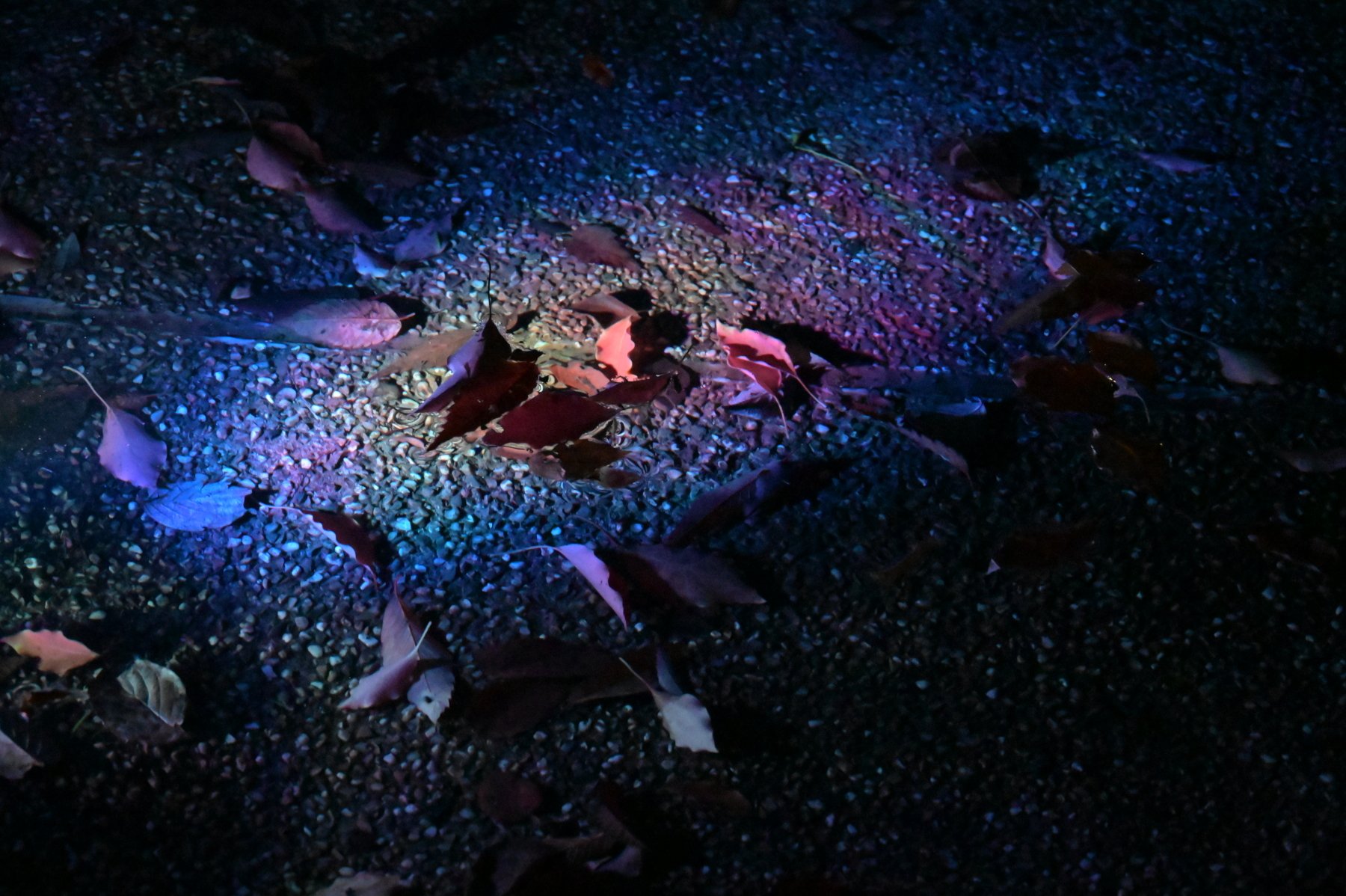
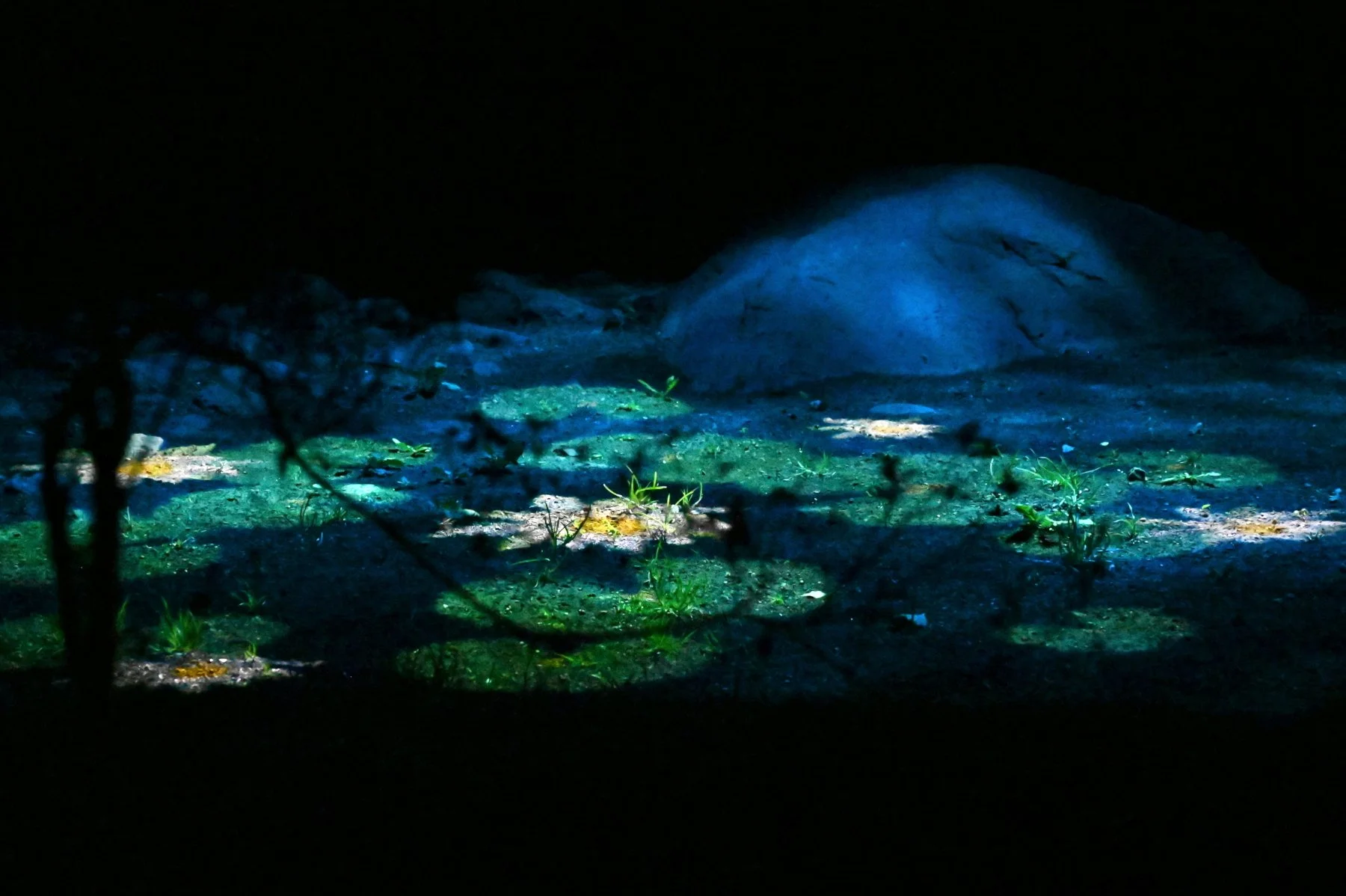
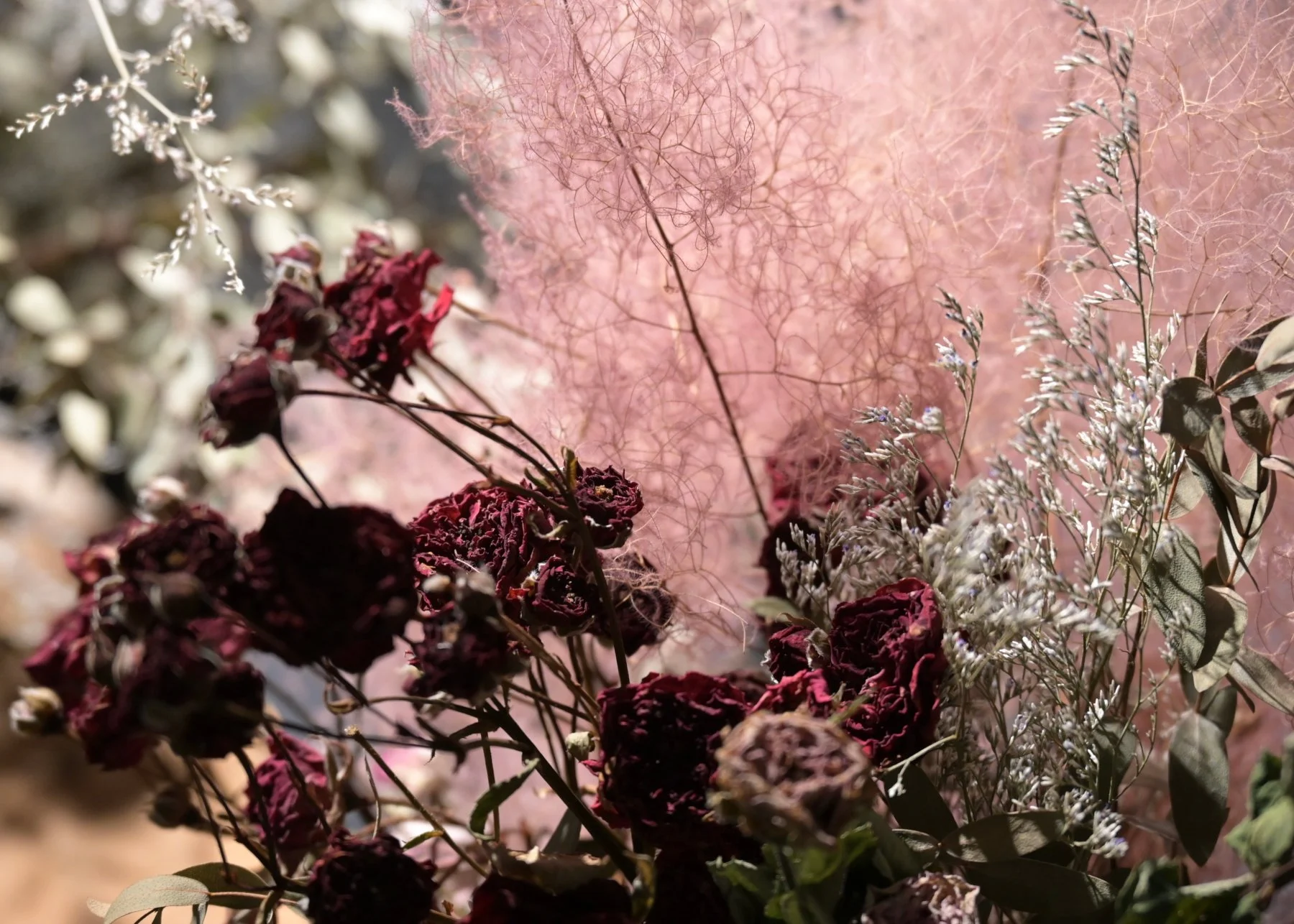
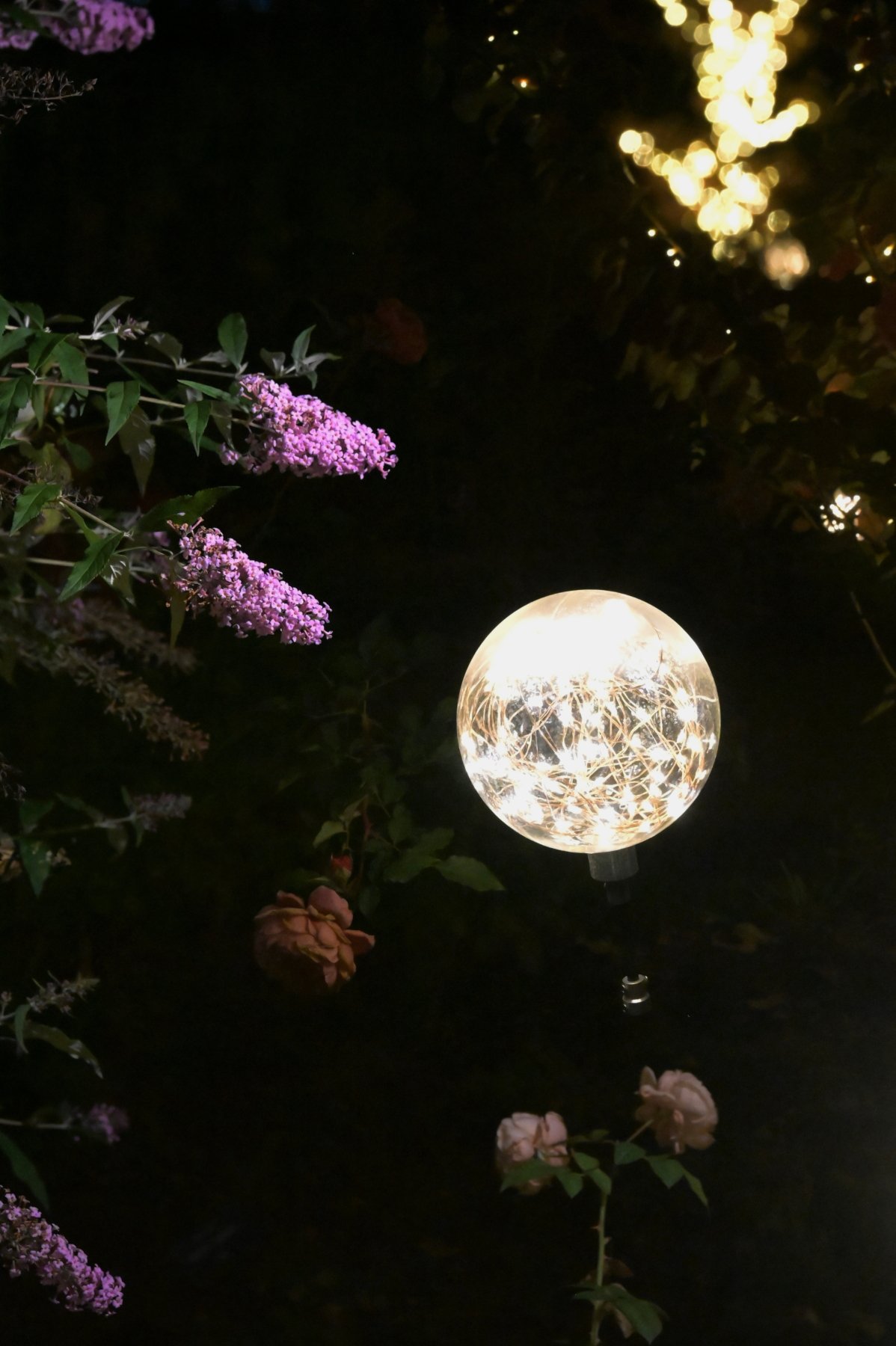
Sometimes we attempt control over nature through water: projecting images of watery landscapes onto dry land or depriving plants of water to freeze them in a moment in time. Yet dried flowers still rustle, and the generation of the electric man-made lights we project into the night depends on water. Water flows through all facets of our ever-changing, ephemeral dwelling on Earth. Wherever we find ourselves, so long as there is water to be our medium and canvas, we can remember the frog and make a home.
Julia Nagai began exploring nature in the city after complications of an infection left her with a paralyzed leg in 2024. Her work focuses on urban green community spaces that make the ebbs and flows of the seasons and elements accessible to all. She can often be found in gardens, public parks, and greenhouses, with her camera and cane in hand. Through image-making, she hopes to share the surprisingly rich biodiversity found in dense metropolises. The photographs in this collection are from the greater Tokyo area.