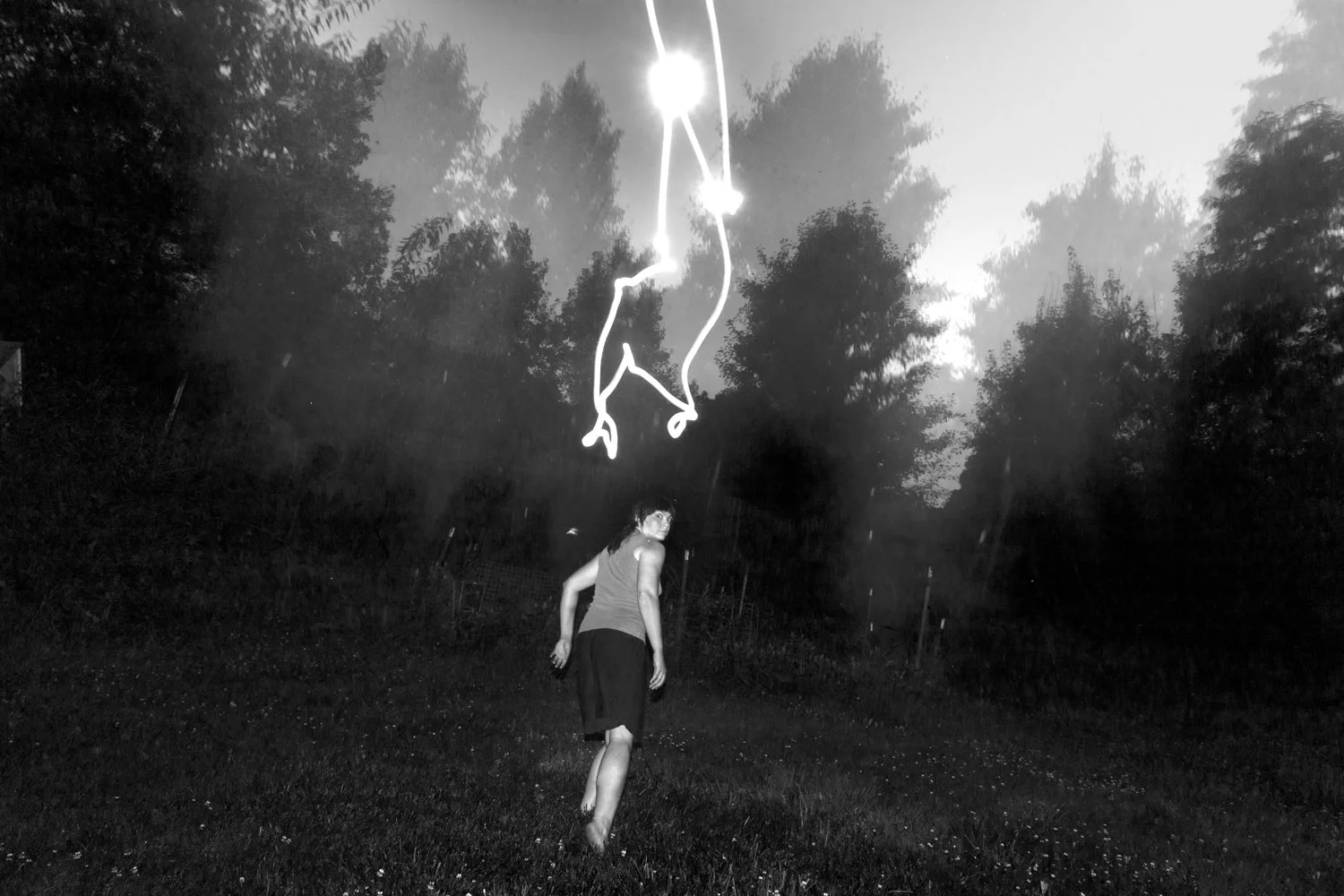
Bodies in Time
Bodies In Time
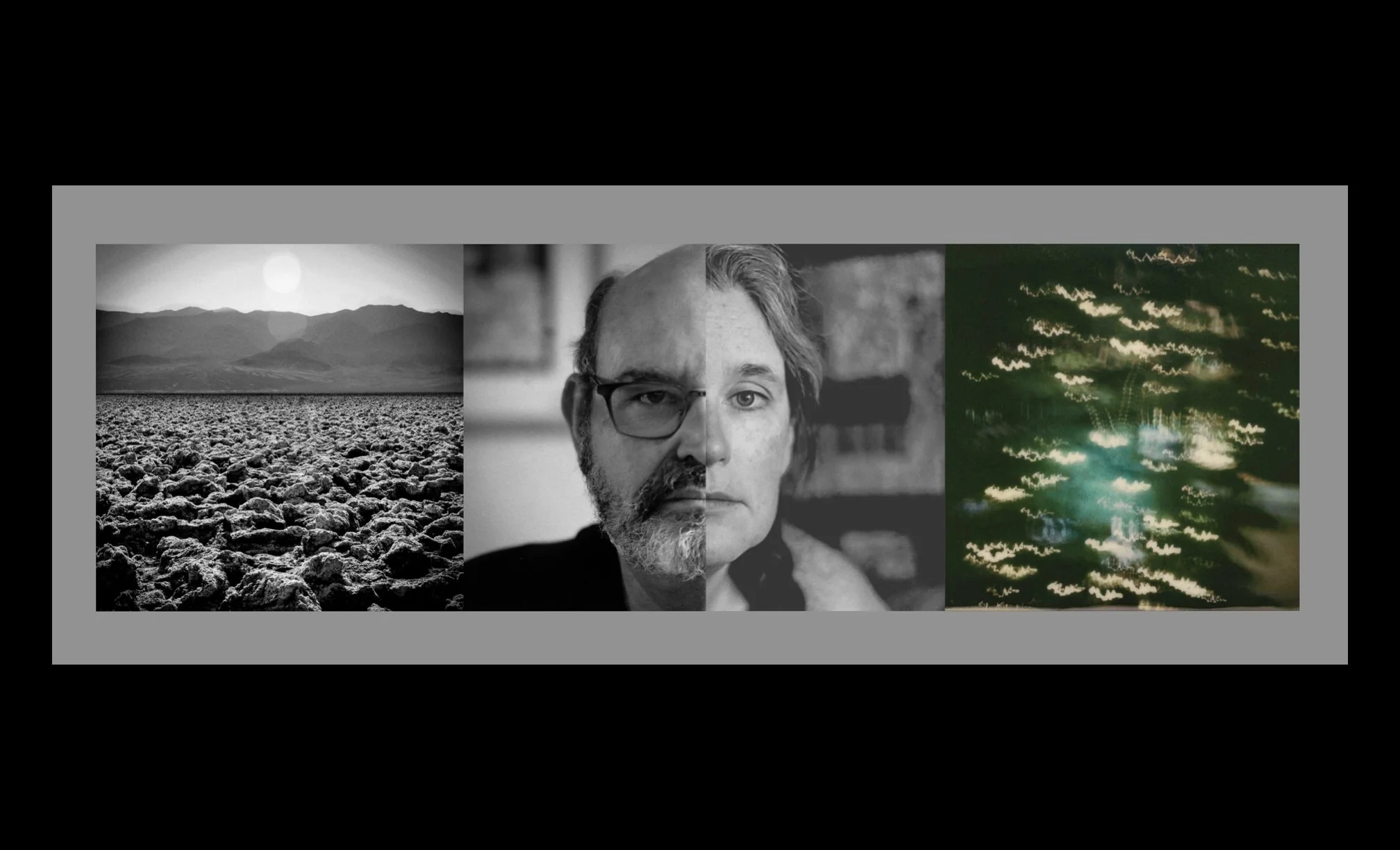
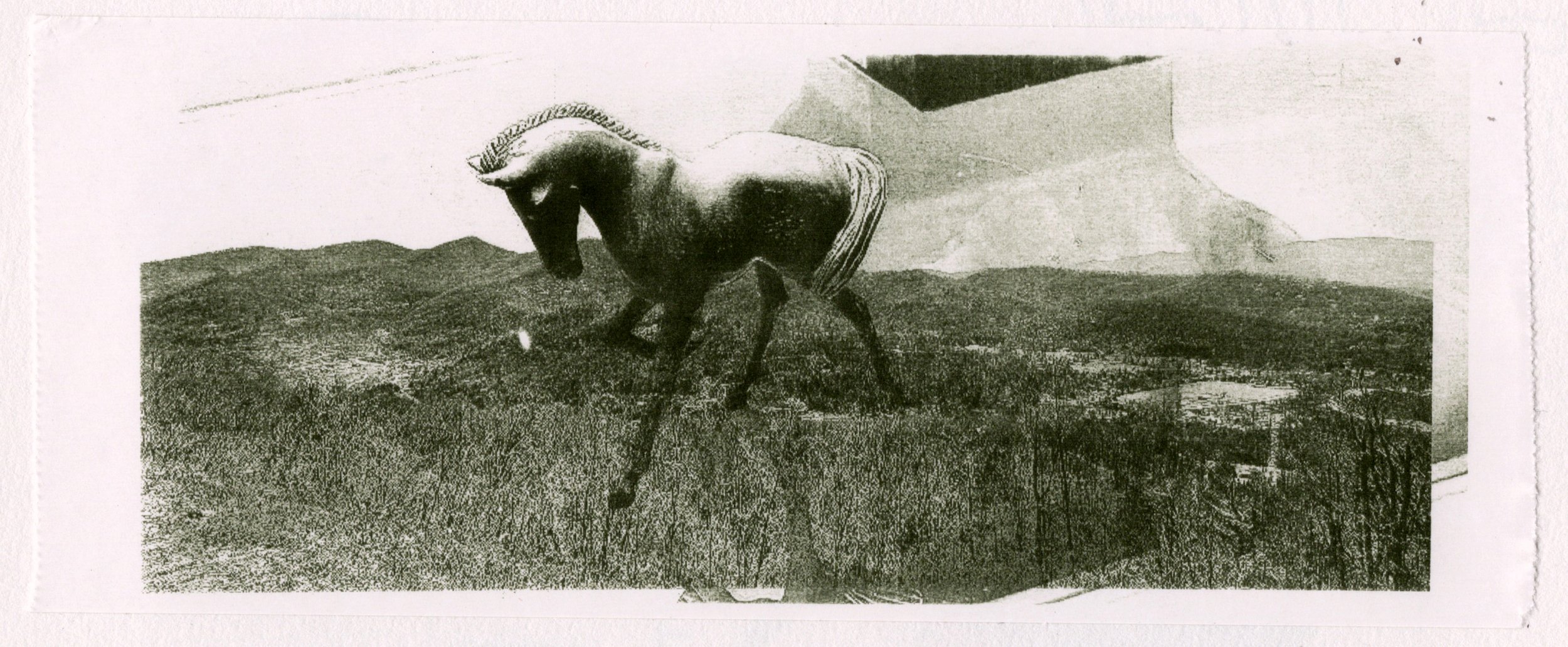
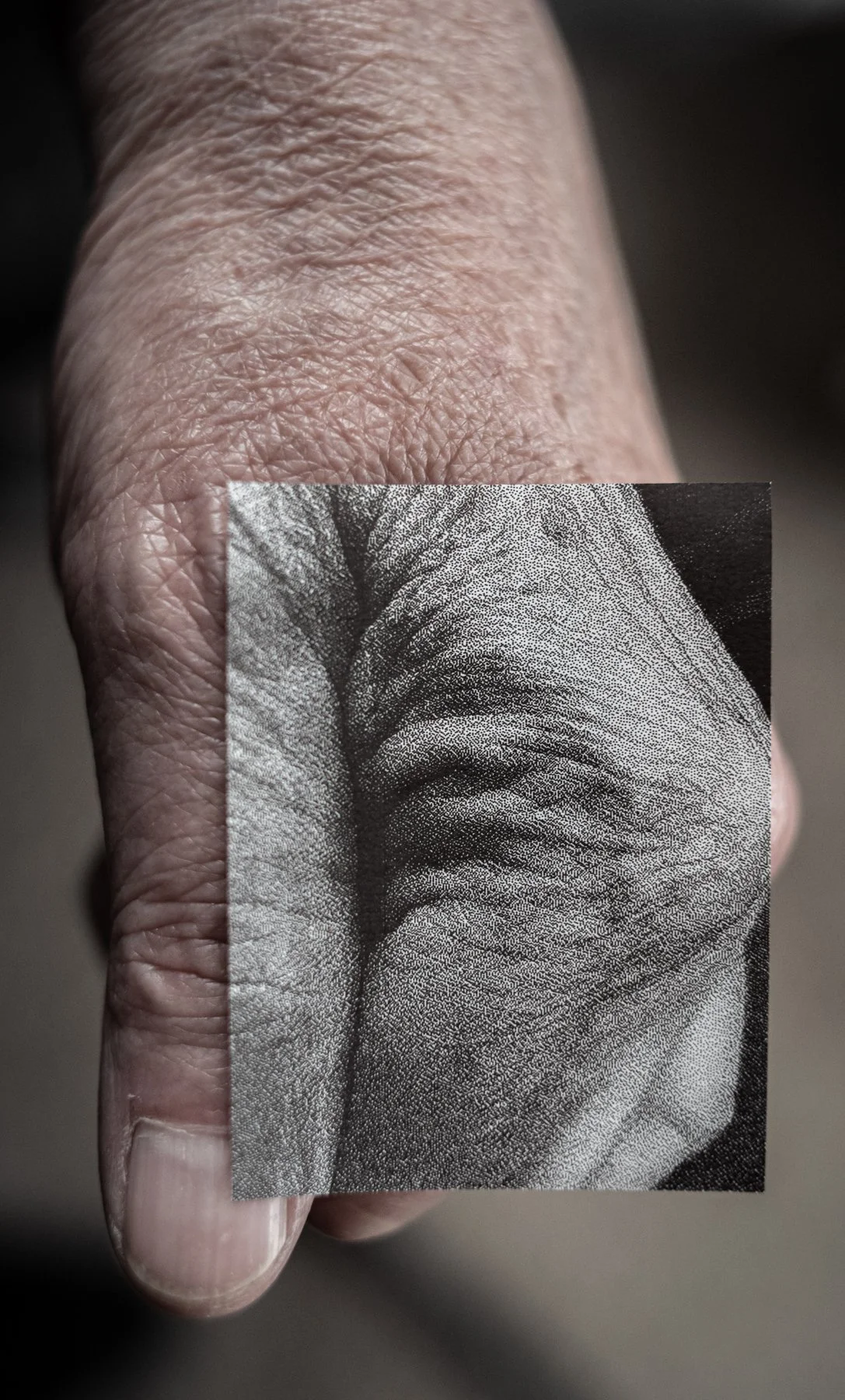
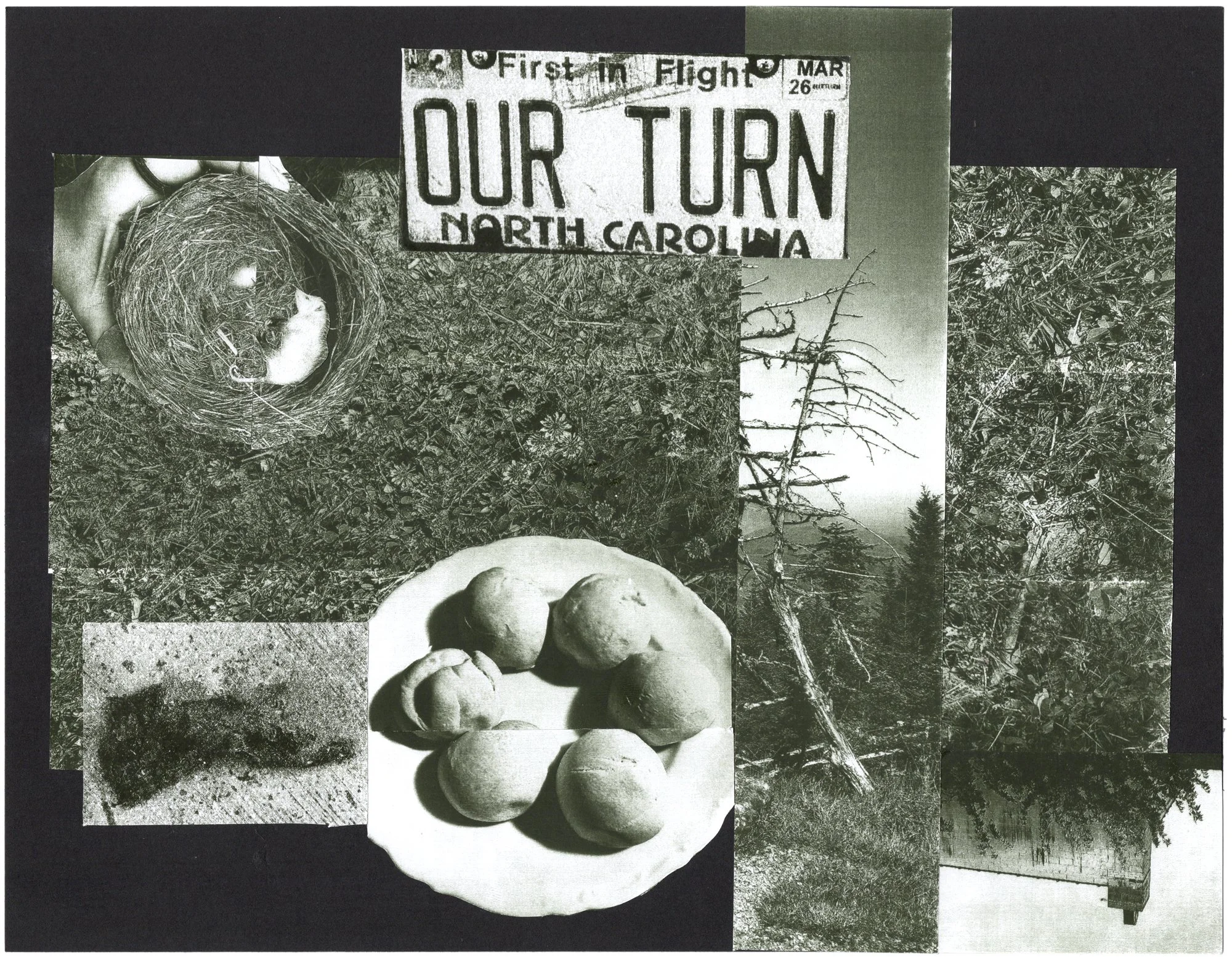
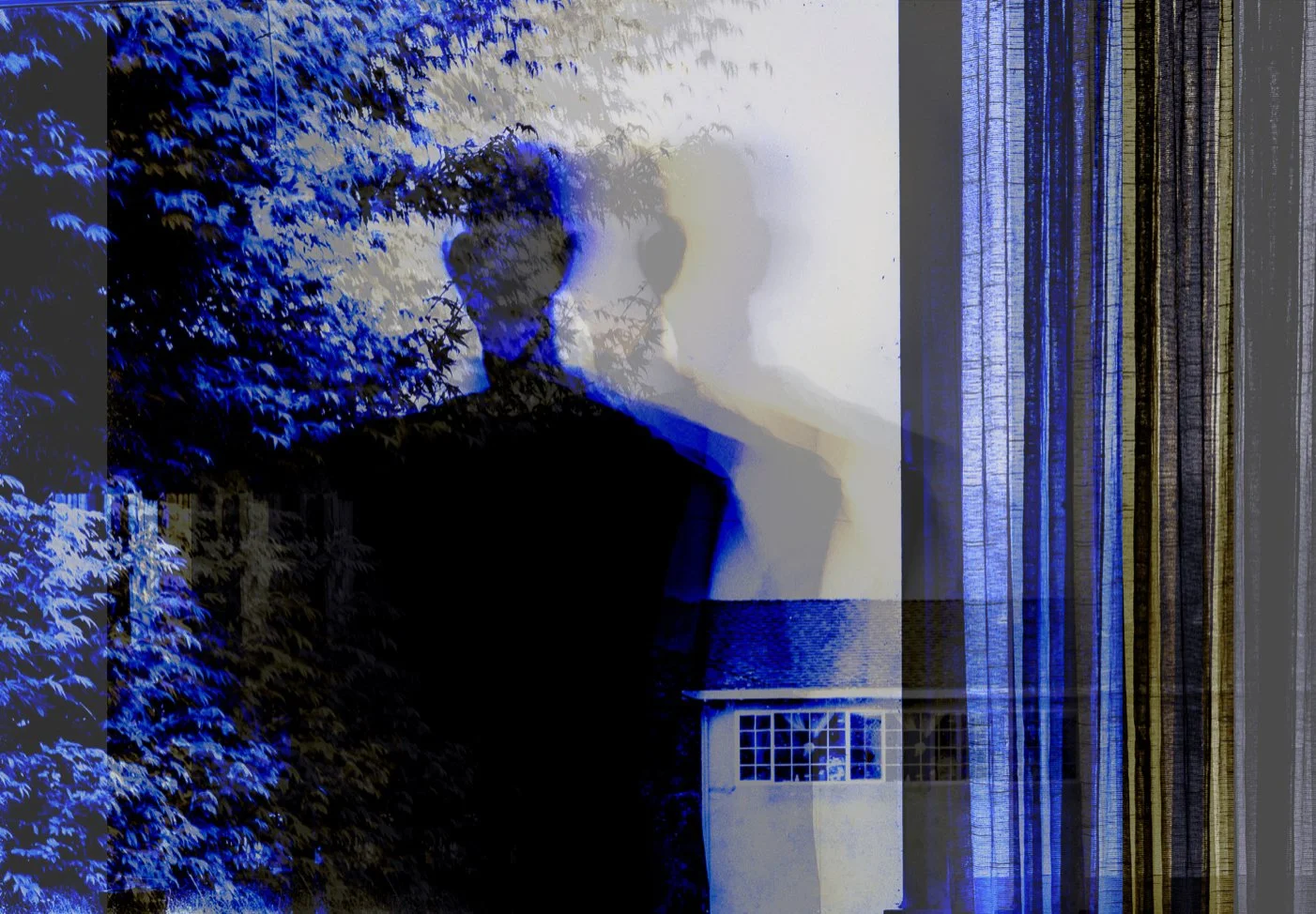
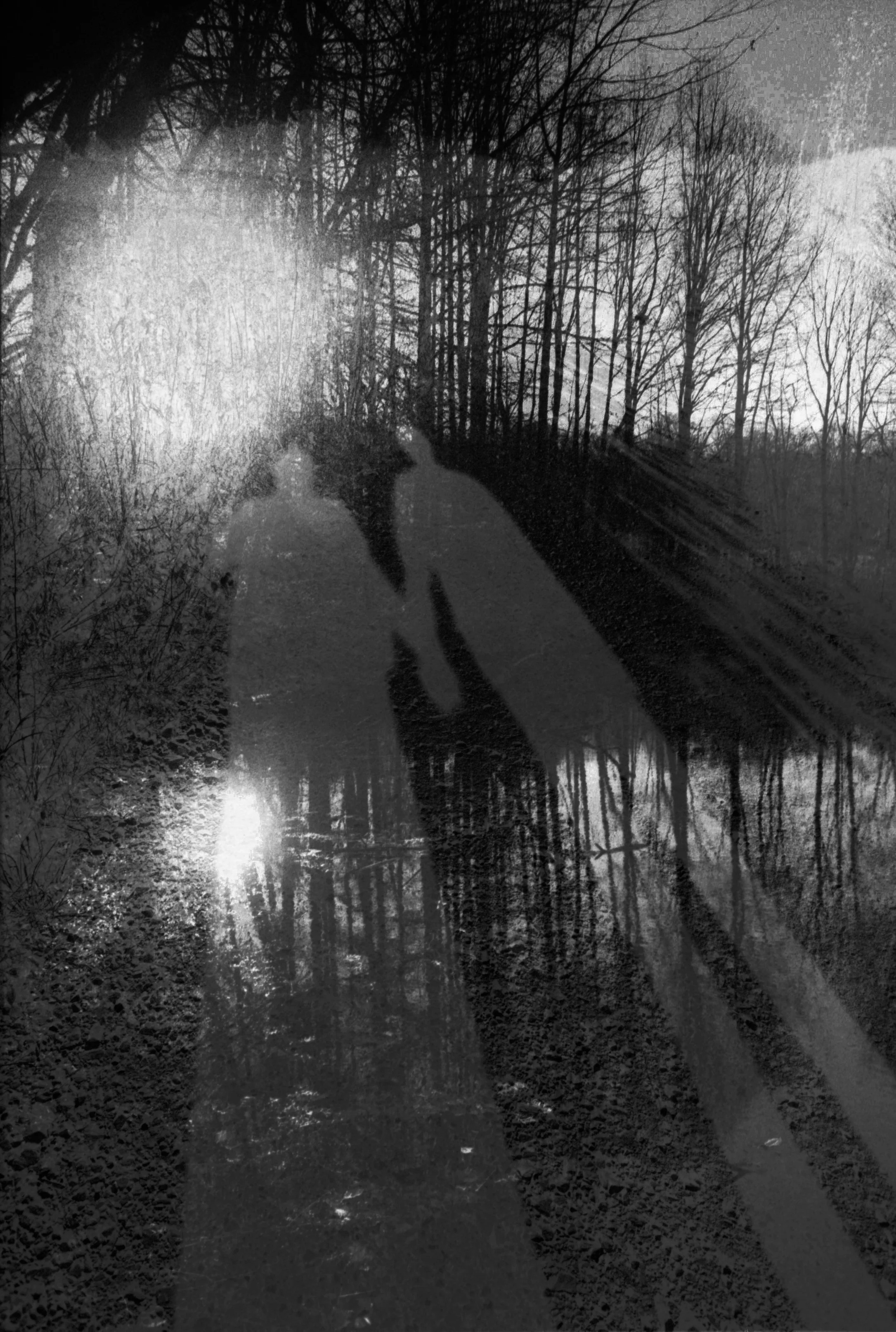
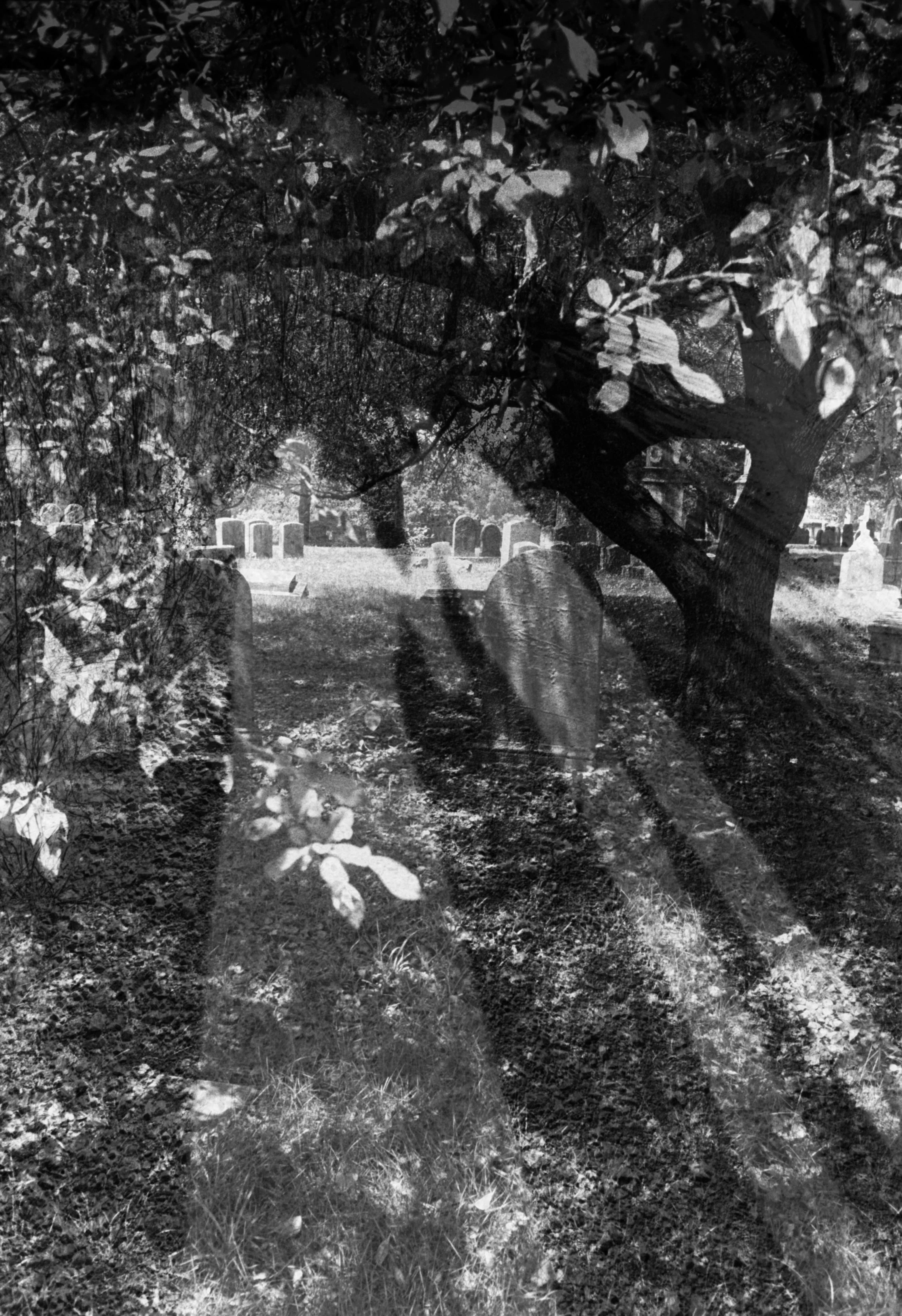
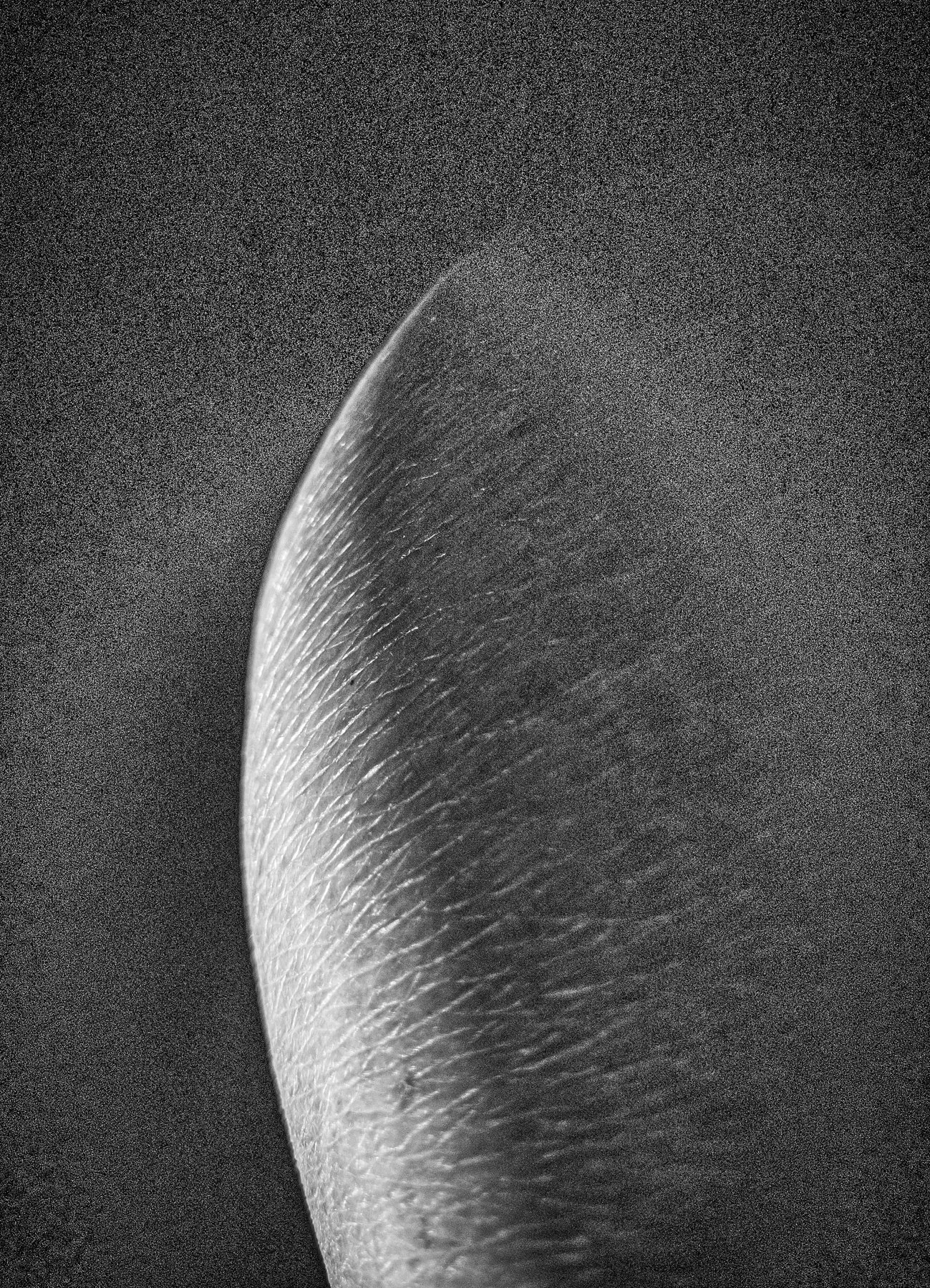
The Bodies in Time practice group met for five weeks engaging with questions about what it means to be bodies moving through time, how time lives in our bodies and shapes us, and how we are connected to other bodies through time. Alison Kafer writes, "rather than bend disabled bodies and minds to meet the clock, crip time bends the clock to meet disabled bodies and minds.” In this group, photography was posed as one of the ways we as photographers can enter “crip time,” making obvious the unique sense of time that we experience through creating a visual representation of a moment dislocated from the flow of time.
How do we arrive at an embodied present, body and mind, the intersection between past and future? Both the substance of the past and anxiety (or dreams) of the future converge here, like shrouds, or magnifiers. But how do we arrive at the present, what rituals or habits do we have to guide us here to an awareness of each moment?
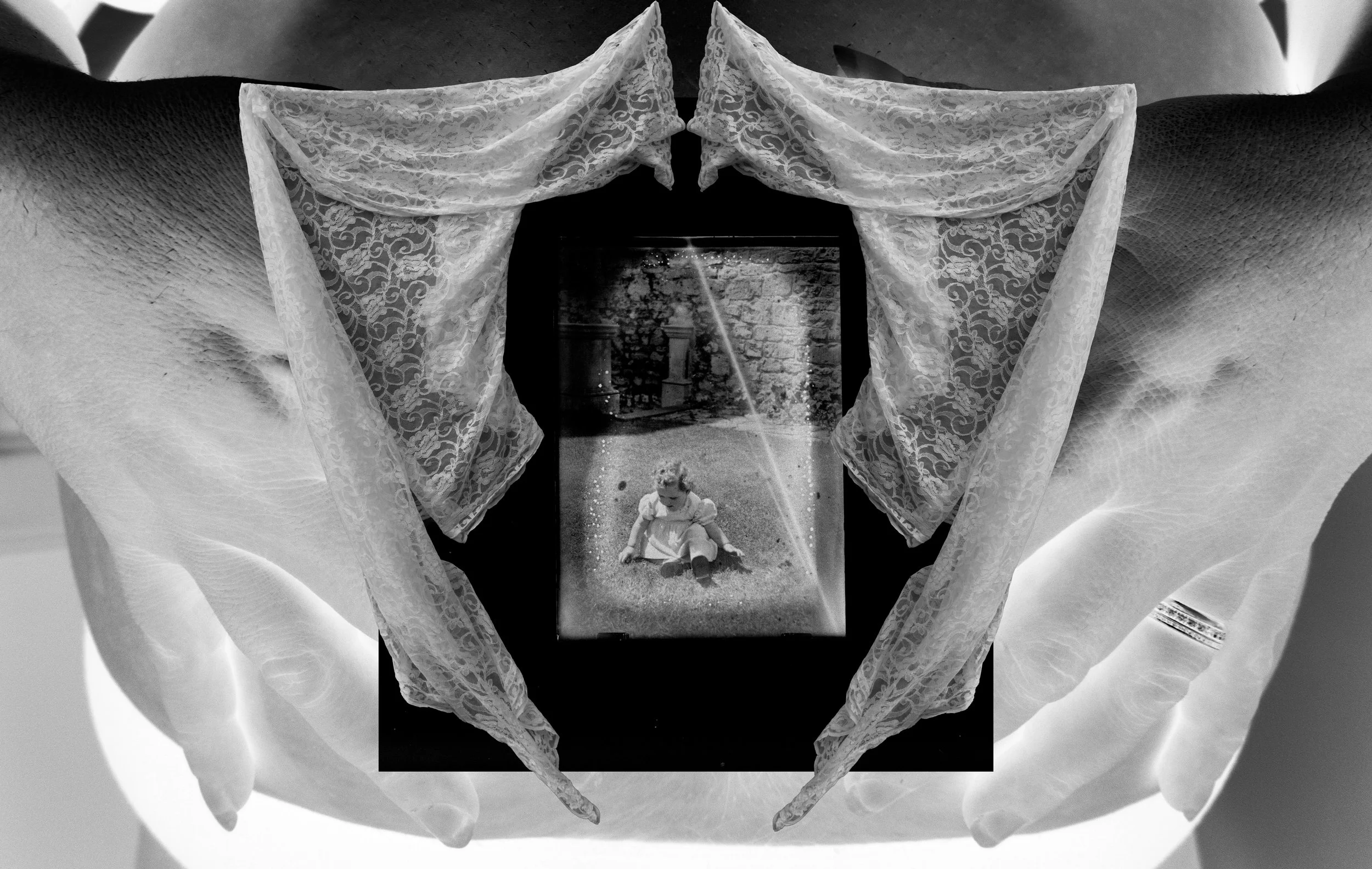
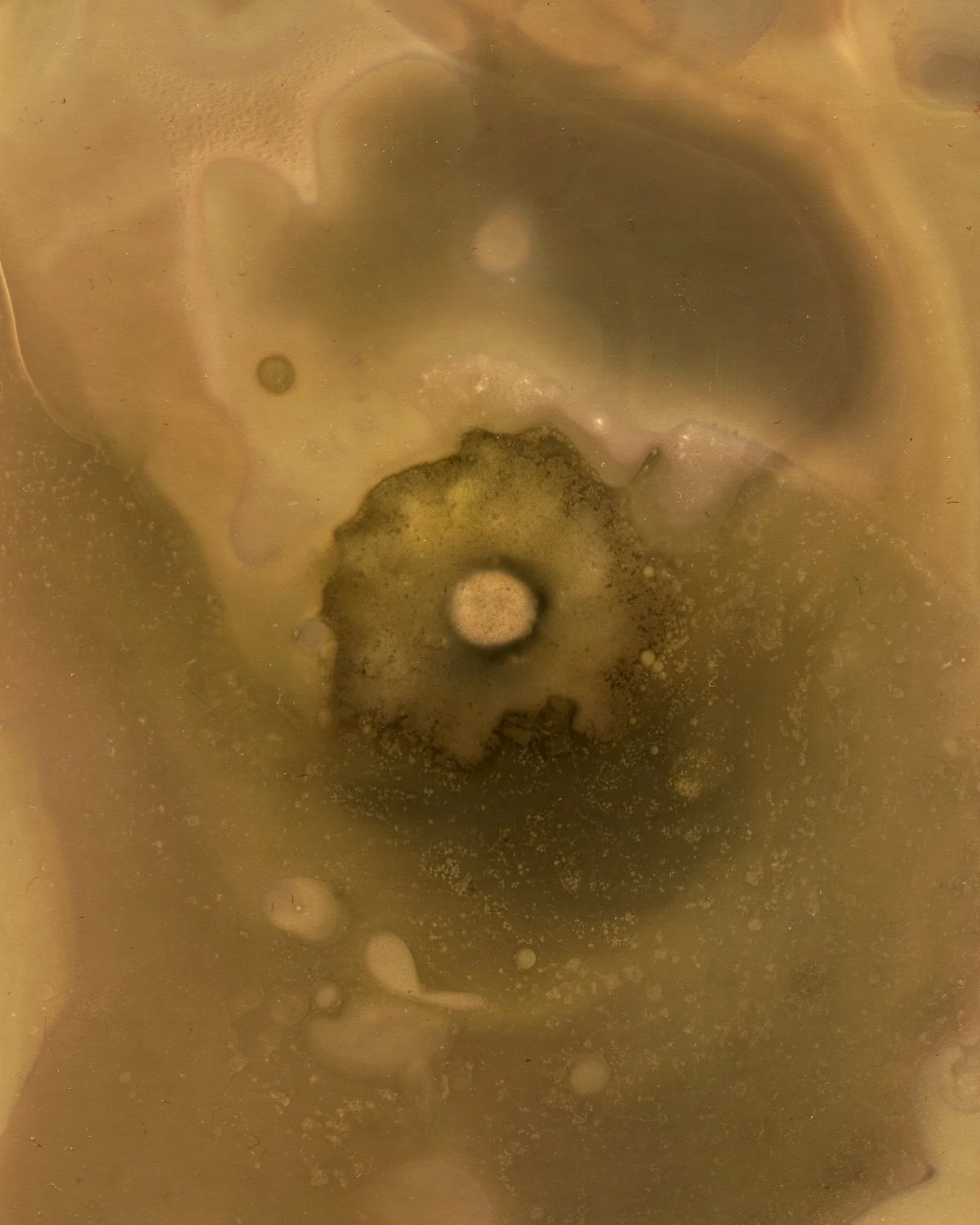
In this group we considered the body as a nexus of sorts, a point in a continuous present that is inhabited and alive through the memories and events of the past, the genetic echoes of our ancestors, and the cultural memories and histories passed down to us. And, beyond human time, how the deep time of the land, planets, and cosmos beyond, and the history of place shapes us through our relationships with place and time. We bring the distant past into the present with our living-the microbiomes of our guts have evolved with us and have been passed along through the generations. We likewise bring the future into being through the shape of our lives, the rituals, relationships, and actions of our living, the dreams we have, the stories we tell.
And in feeling into this embodied time through photography practice, we discovered new ways that we can bend the clock to our bodies.
Frances Bukovsky